
Shipbuilding and offshore installations
Highly automated, complex electrical and hydraulic systems are at the heart of modern plant technology in shipbuilding and offshore installations. Intensive testing of these components, including through virtual commissioning (VIBN), ensures the autonomous and therefore necessary long-term operational reliability.
The vast majority of automation components on offshore installations - for machines and systems in shipbuilding as well as for offshore installations - must be certified and have a licence for use under harsh offshore conditions. The reason for this is, on the one hand, the required proof of the durability and functional reliability of all components under extreme environmental conditions and, on the other hand, the proof of a high level of reliability, as repair measures on the high seas are very complex and cost-intensive.
For the same reasons, the use of WinMOD to ensure the operational safety of automation software through a VIBN is becoming increasingly important. The ability to test automation systems with all conceivable operating and fault scenarios and thus make the software robust for offshore use justifies the expense of more intensive and systematic software testing processes.
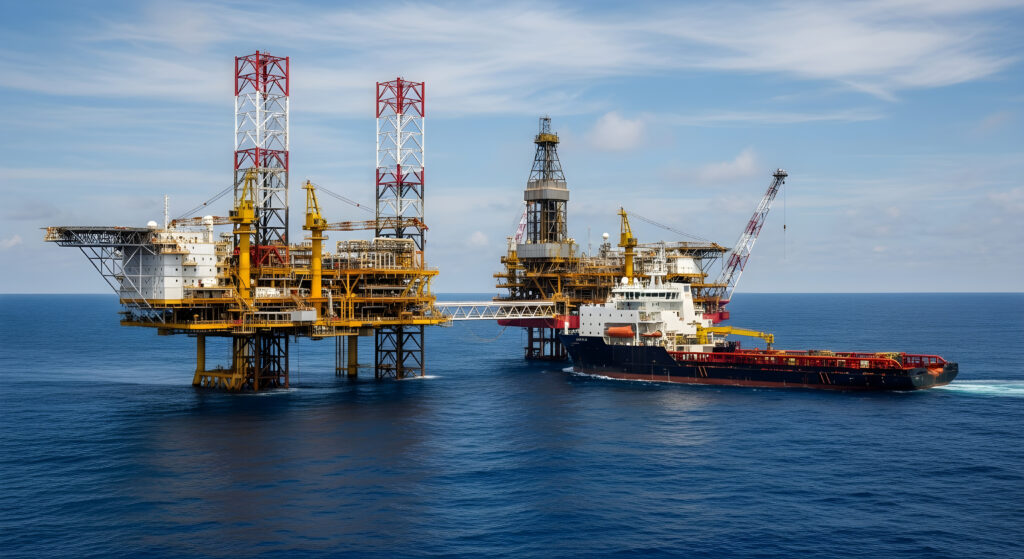
Typical areas of application include civil and military shipbuilding as well as mechanical engineering for various offshore facilities, including wind farms, gas and oil production facilities and underwater stations.
Further process automation solutions

Typical processes that carry out a continuous or batchwise conversion of substances.
They are divided into main and auxiliary processes.
The aim is the economical and safe production of basic materials or speciality products for all industrial sectors.

Utilisation of similar production processes as in chemistry/pharmacy, but the core here is the use of microorganisms, cell cultures or enzymes to manufacture products.
In future, they will be used in various areas such as pharmaceuticals, green energy and green chemistry.

Processing, preservation and refinement of agricultural and raw materials take centre stage. Typical processes are material and energy-orientated product manufacturing, often combined with strict quality and hygiene standards.

All processes relating to the extraction and processing of raw materials (coal, ores, salts, soils) and their conversion into basic industrial products (steel, cement, gypsum, various other building materials). Mostly very energy-intensive processes.

Refrigeration machines for cold generation and system components for cold distribution and utilisation are a key factor in both industrial plants and building automation.
Energy generation plants based on fossil fuels (coal, gas, oil), nuclear power plants and increasingly promising variants based on environmentally friendly resources such as hydropower, sun, wind, tides, etc. as well as energy distribution systems are increasingly highly automated with extreme demands on their availability.

Water supply from extraction, treatment, storage and distribution, as well as wastewater disposal with transport, storage and treatment for environmentally friendly disposal, are fundamentally important for a modern society and its industry.

Technical installations in road traffic (general traffic control, tunnels, bridges), in rail traffic (signalling and switch systems, signal boxes, ...) and in waterway traffic (locks, weirs, ship lifts)

All areas of technical building equipment such as ventilation, heating, air conditioning, security and fire protection that aim to improve energy efficiency, comfort, safety and cost-effectiveness in buildings.

General shipbuilding for civil, technical and military use, offshore installations as the basis for wind farms, gas and oil production facilities and underwater stations.