
Chemistry, Pharmacy & Biotechology
Process automation solutions from WinMOD
Chemistry and pharmacy
With the introduction of WinMOD in 1995, these industries were among the first users of the WinMOD system platform. The high quality requirements already in place and the established procedures for carrying out factory acceptance tests (FAT) and process validations favoured the early use of simulation-based software tests.
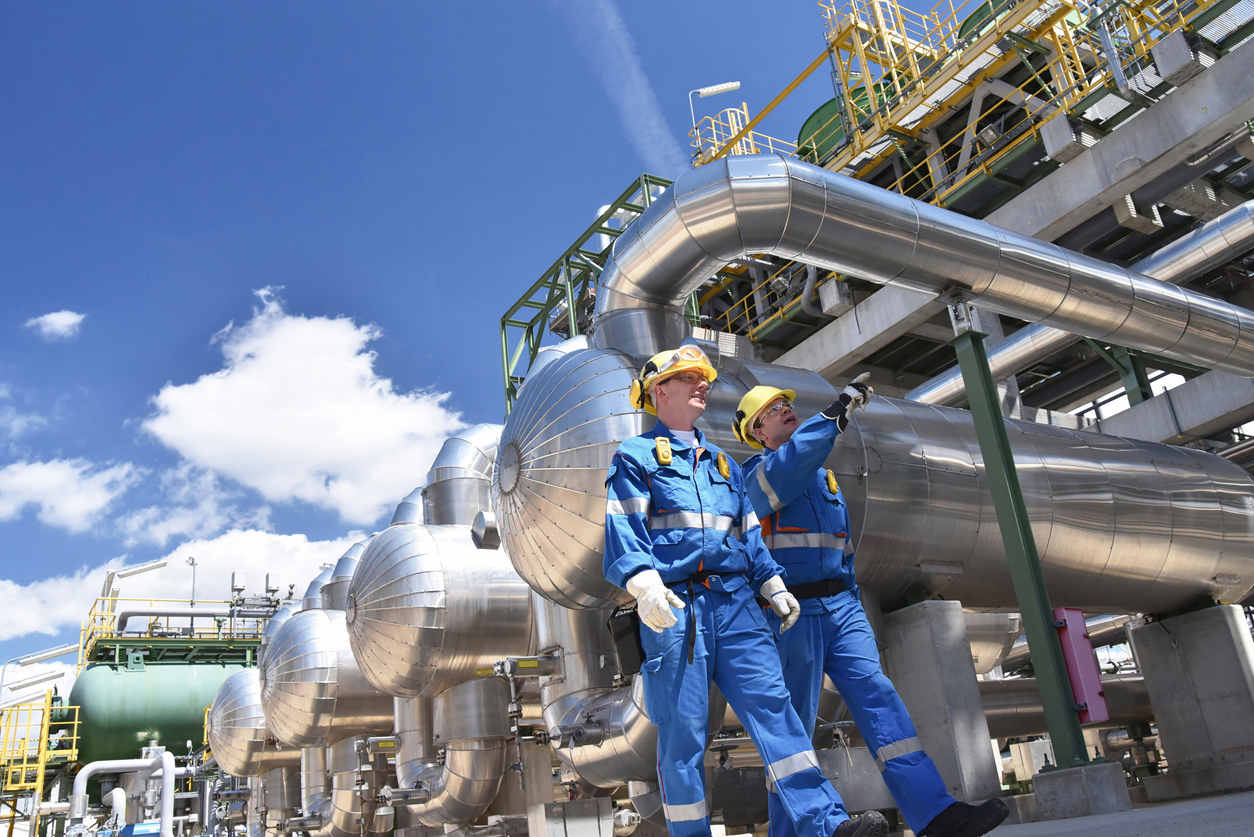
Chemistry
The use of process control systems with extensive, technology-orientated function libraries is typical for the automation of technological processes. The main reason for this is to optimise the use of the often complex instrumentation required for control and monitoring - from simple to complex output and sensor technology.
With the replacement of hardware-based test systems by software-based (simulated) test systems from 1995 onwards, Factory Acceptance Tests (FAT) have been considerably simplified and made more efficient. In this context, WinMOD provides extensive simulation libraries for automation components. The system also offers users the option of extending these libraries independently.
WinMOD provides a real-time base library for the simulation of technological processes and the associated process variables - such as pressure, temperature, flow, level, concentration or pH value. This enables the simulation of typical controlled system functions and their combination into complete process function libraries based on them.
Optimised engineering tools, such as process and engineering assistance, also support users without in-depth mathematical or process engineering knowledge and enable efficient use of the software.
Pharmacy
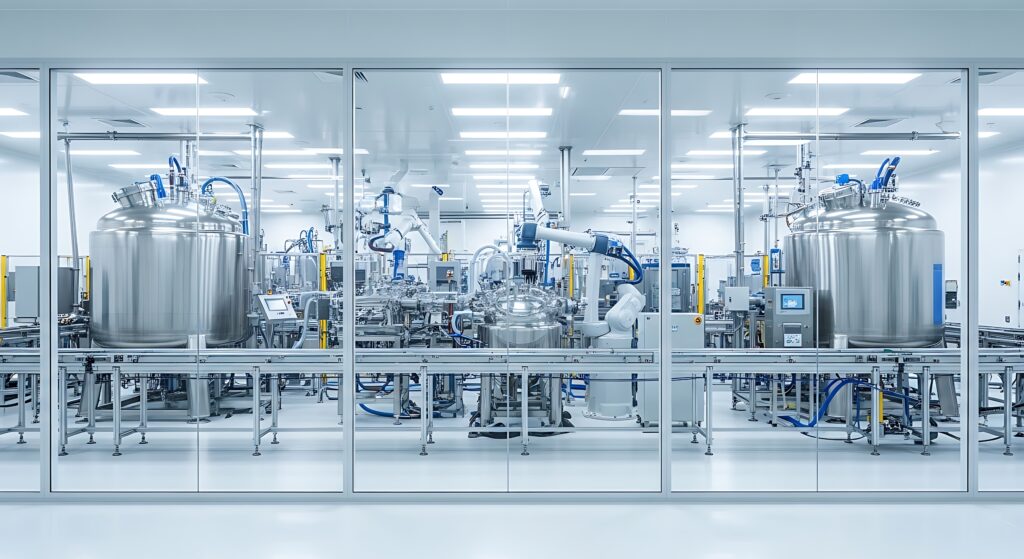
The central processes in this area include the chemical or biological synthesis of active ingredients and the manufacture of pharmaceutical end products. These are generally highly automated and place correspondingly high demands on the quality assurance of the automation systems used and their programming.
In 1978, the US Food and Drug Administration (FDA) published the first guidelines for process validation. The aim of these guidelines was to prove that production processes are repeatable and reproducible. In the pharmaceutical industry, these guidelines led early on to the establishment of procedures that ensured the highest level of safety and quality through comprehensive control and reporting obligations.
With the advent of automation and the use of digital control systems - such as PLC and SCADA systems - the topic of process validation has also become increasingly important in automation and process engineering.
Major pharmaceutical companies, particularly from Switzerland and Germany, recognised the new possibilities of WinMOD for simulation-based software testing from 1995 onwards. Through their early use, they significantly influenced the further development of the WinMOD system platform - from fundamental basic functions to the verification and documentation capability of complex test scenarios.
WinMOD is used in pharmaceutical production in numerous process steps, including multi-stage reactions, filtration, crystallisation, distillation, drying, centrifugation, chromatography, freeze-drying, granulation, mixing and packaging. The software is also used in clean room environments and sterilisation processes.
Biotechnology
Classic automation concepts, combined with increasingly new methods of measurement data acquisition and analysis technology, also require continuous further development of the necessary simulation components.
The production processes used in biotechnology are similar in many respects to those used in the chemical and pharmaceutical industries. However, the key difference lies in the use of biological systems - such as microorganisms, cell cultures or enzymes - to manufacture products. Compared to traditional chemical and pharmaceutical plants, significantly smaller quantities of material are processed.
The biotechnological production of essential raw materials is becoming increasingly important in the pharmaceutical sector (see Pharmaceuticals section).
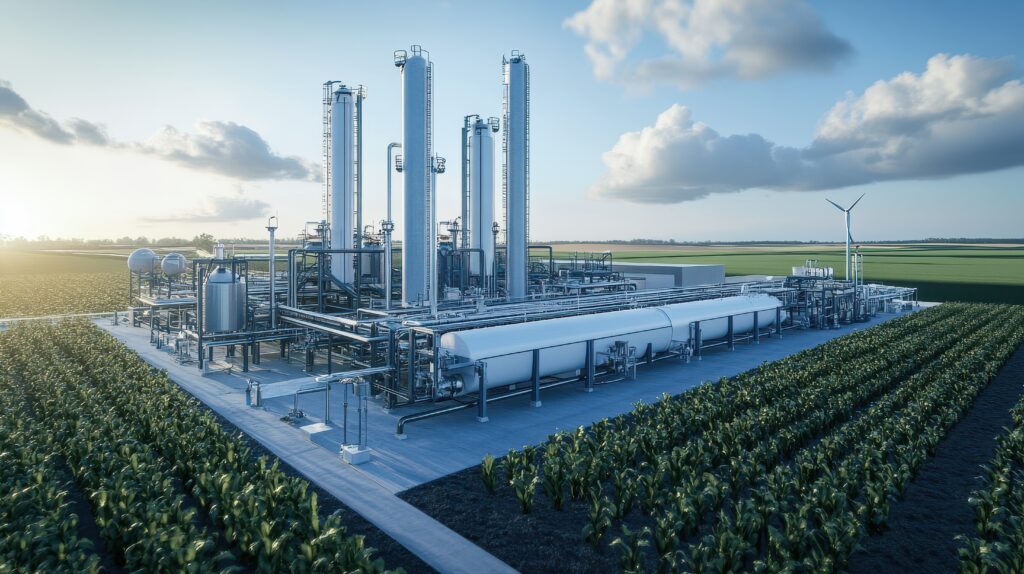
Other biotechnological plants, particularly in the field of green chemistry and energy production, are often operated on a decentralised basis in non-industrial environments. They are therefore usually designed to be self-sufficient and highly automated. In this context, virtual commissioning (VIBN) is becoming increasingly important - for example in the development and operation of plants for the production of green ammonia or biogas plants for agricultural operations.
Further process automation solutions

Typical processes that carry out a continuous or batchwise conversion of substances.
They are divided into main and auxiliary processes.
The aim is the economical and safe production of basic materials or speciality products for all industrial sectors.

Utilisation of similar production processes as in chemistry/pharmacy, but the core here is the use of microorganisms, cell cultures or enzymes to manufacture products.
In future, they will be used in various areas such as pharmaceuticals, green energy and green chemistry.

Processing, preservation and refinement of agricultural and raw materials take centre stage. Typical processes are material and energy-orientated product manufacturing, often combined with strict quality and hygiene standards.

All processes relating to the extraction and processing of raw materials (coal, ores, salts, soils) and their conversion into basic industrial products (steel, cement, gypsum, various other building materials). Mostly very energy-intensive processes.

Refrigeration machines for cold generation and system components for cold distribution and utilisation are a key factor in both industrial plants and building automation.
Energy generation plants based on fossil fuels (coal, gas, oil), nuclear power plants and increasingly promising variants based on environmentally friendly resources such as hydropower, sun, wind, tides, etc. as well as energy distribution systems are increasingly highly automated with extreme demands on their availability.

Water supply from extraction, treatment, storage and distribution, as well as wastewater disposal with transport, storage and treatment for environmentally friendly disposal, are fundamentally important for a modern society and its industry.

Technical installations in road traffic (general traffic control, tunnels, bridges), in rail traffic (signalling and switch systems, signal boxes, ...) and in waterway traffic (locks, weirs, ship lifts)

All areas of technical building equipment such as ventilation, heating, air conditioning, security and fire protection that aim to improve energy efficiency, comfort, safety and cost-effectiveness in buildings.

General shipbuilding for civil, technical and military use, offshore installations as the basis for wind farms, gas and oil production facilities and underwater stations.